
What Underlay Does
Underlay is the cushion between the floor and the covering. Under a carpet it does four jobs: it makes the carpet feel deeper and softer, it absorbs the impact of feet so the pile wears more slowly, it insulates against a cold floor, and it deadens sound between rooms and floors. A good carpet on a poor underlay feels cheap; a modest carpet on a good underlay feels expensive.
Under a laminate or a floating floor it does a different job: it takes up small dips in the base, stops the hollow sound of boards on a hard floor, and, over concrete, keeps moisture away from the wood fibre core.
The Types
Carpet underlays are mostly PU foam, made from recycled foam offcuts, which is springy and warm and the default for living rooms and bedrooms; sponge rubber, firmer and longer lasting, the traditional choice for stairs and halls; and crumb rubber, the firmest of all, for heavy traffic and commercial use. Felt and wool underlays suit some period houses and natural carpets.
Laminate underlays are thin foam or fibre boards, some with a built in damp proof layer for concrete and some with an acoustic rating for upstairs rooms in flats. Glue down LVT does not use an underlay at all; it is stuck to a smoothed base.
| Underlay | Best under | Feel |
|---|---|---|
| PU foam | Living rooms, bedrooms | Soft, springy, warm |
| Sponge rubber | Stairs, halls, landings | Firm, supportive, long lasting |
| Crumb rubber | Heavy traffic, commercial | Very firm |
| Fibre or foam board | Laminate | Thin, quiet, levels small dips |
| Acoustic board | Upstairs rooms in flats | Cuts sound to the room below |
Thickness and Tog
Thicker is not always better. A very thick underlay under a carpet feels luxurious in a bedroom and is wrong on a staircase, where a firm underlay keeps the carpet tight over the nosings. Tog is the insulation rating: high for warmth over a cold floor, low over underfloor heating so the heat can get through.
We choose the underlay for the room, and we will explain the choice. It is included in the quote.
Underfloor Heating
Over underfloor heating, everything under the covering should let the heat through. That means a low tog underlay under a carpet, a thin heating rated underlay under a laminate, and no underlay at all under a glued LVT, which is the best floor for it. The wrong underlay turns an expensive heating system into a warm floor void.
Stairs
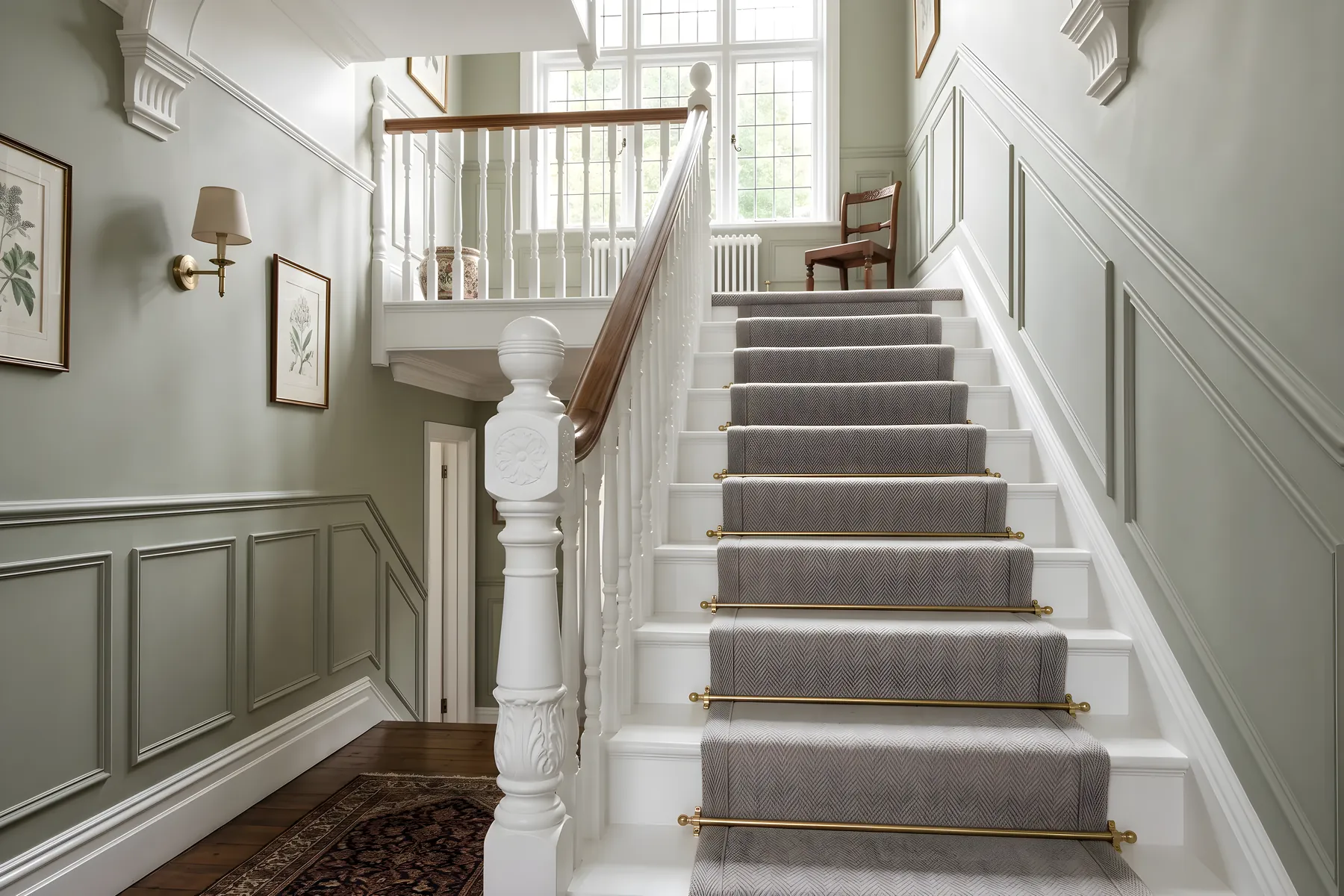
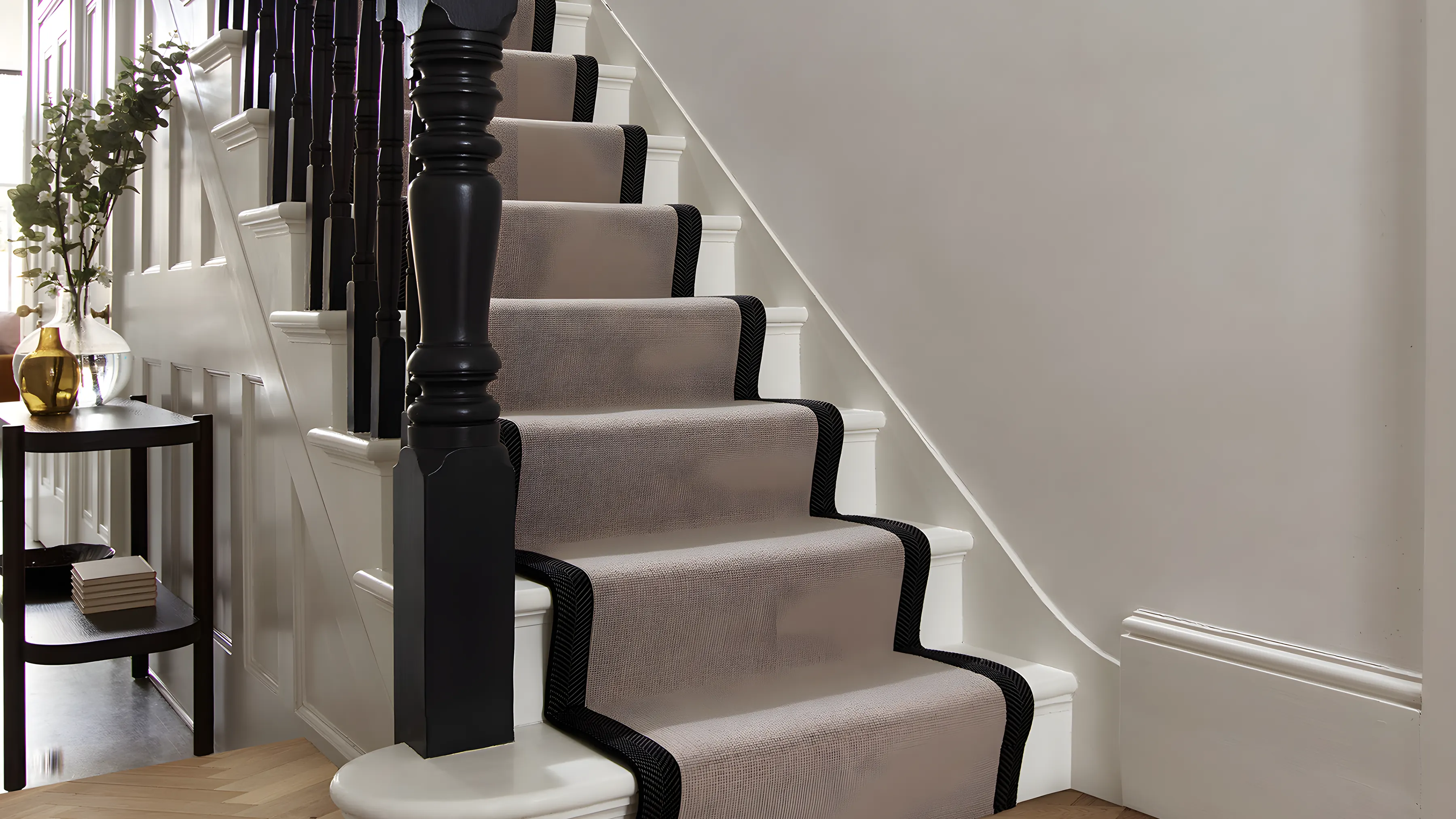
Stairs want a firm, dense underlay, cut to each tread and stapled in, so the carpet stays stretched over every nosing. A soft bedroom underlay on a staircase lets the carpet move, and a carpet that moves on a stair wears out fast and feels unsafe. It is one of the details that separates a careful fitter from a quick one.
Can the Old Underlay Stay?
Almost never. Old underlay is flattened where the traffic was, it holds years of dust, and it is usually a lighter grade than the new carpet deserves. We lift it, take it away and fit new. The cost is small and the difference underfoot is not.
Questions
Yes. Underlay, gripper, trims and fitting are in every carpet quote from Park Flooring, so the figure you are given is the figure you pay.
Yes, always: it quiets the floor, evens out small dips and, over concrete, keeps moisture away from the boards. Some laminate has the underlay attached; most does not.
Glue down LVT does not; it is stuck to a smoothed floor. Click LVT floats on a thin underlay made for it.
A low tog one, so the heat gets through. We will choose the right one for your system and your floor.
We would rather not, and we do not. It is flattened where the traffic was and it holds years of dust. New underlay is part of every carpet job.