
What They Have in Common
Both are warm underfoot compared with tiles or wood. Both are quiet. Both come in enormous ranges of colour and texture, both are fitted in a day for an ordinary room, and both will last many years if the preparation and the fitting are right. The differences are about water, wear and feel.
Water and Spills
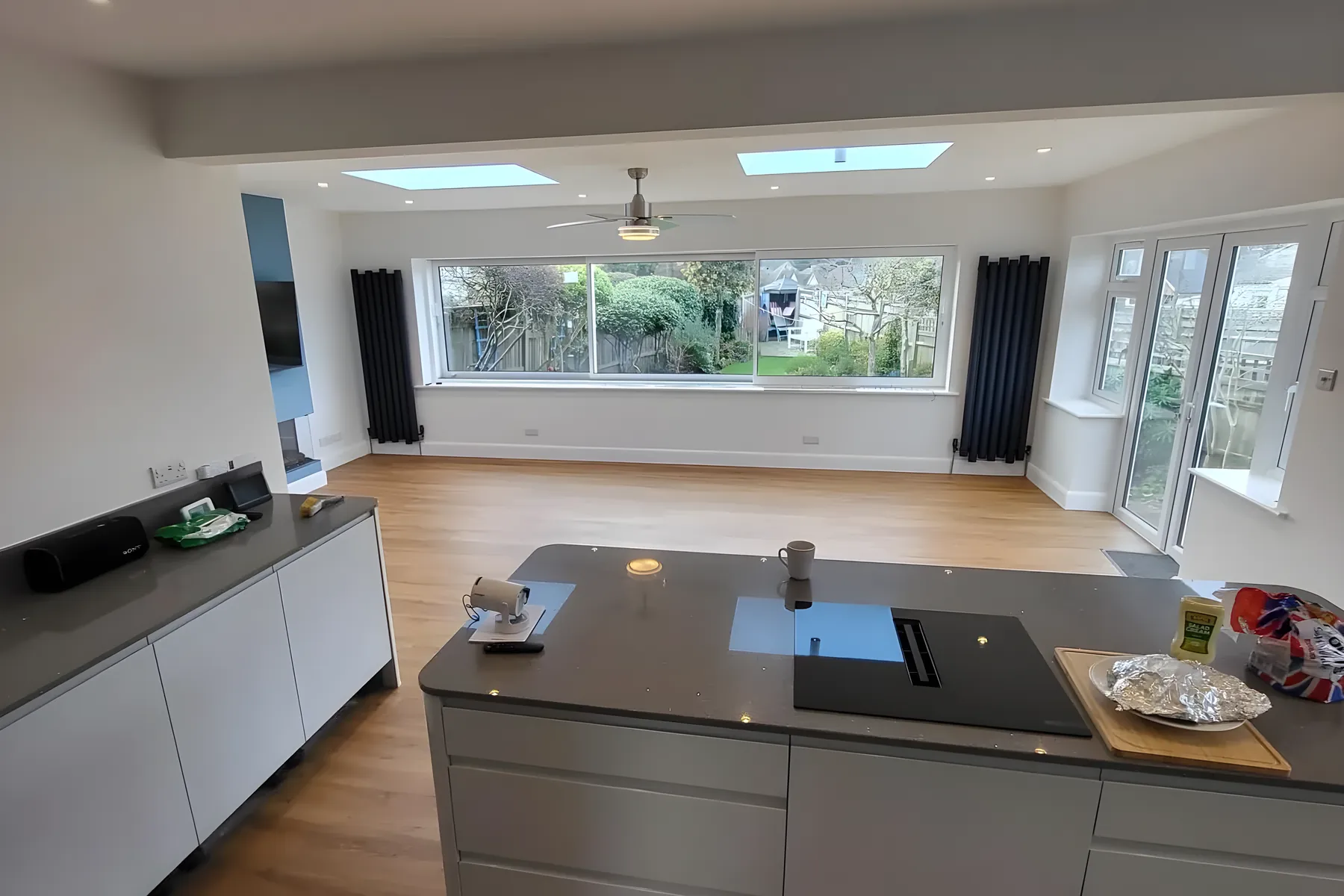
This decides most rooms. Luxury vinyl tile is waterproof: a spilt glass, a wet dog, a leaking washing machine, none of it gets through a glued down floor with sealed edges. Carpet can be stain resistant and bleach cleanable, and the modern polypropylene ranges are remarkable, but a soaked carpet is a soaked underlay too.
Kitchens, bathrooms, utility rooms and halls that take wet shoes are LVT rooms. Bedrooms and living rooms can be either.
Wear and Traffic
A good LVT has a thick clear wear layer and takes grit, claws and furniture without marking. A dense wool twist or loop carpet also wears well, and hides wear better than people expect, but a hall carpet will eventually show a path where a hall LVT will not.
For stairs, though, carpet wins outright: the nosings want something soft and grippy, and LVT on a staircase is a specialist job we would talk you out of in most houses.
Warmth, Noise and Feel
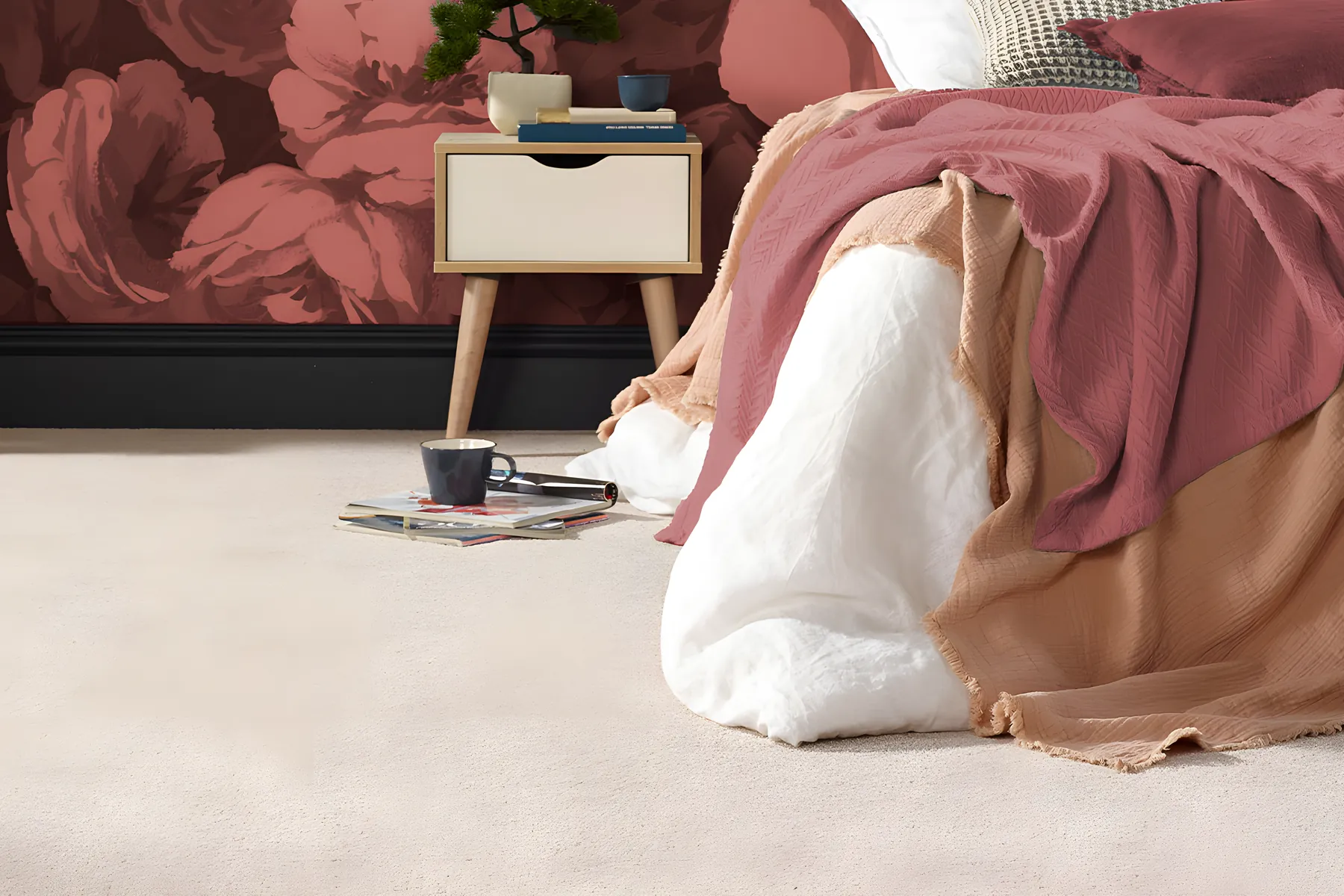
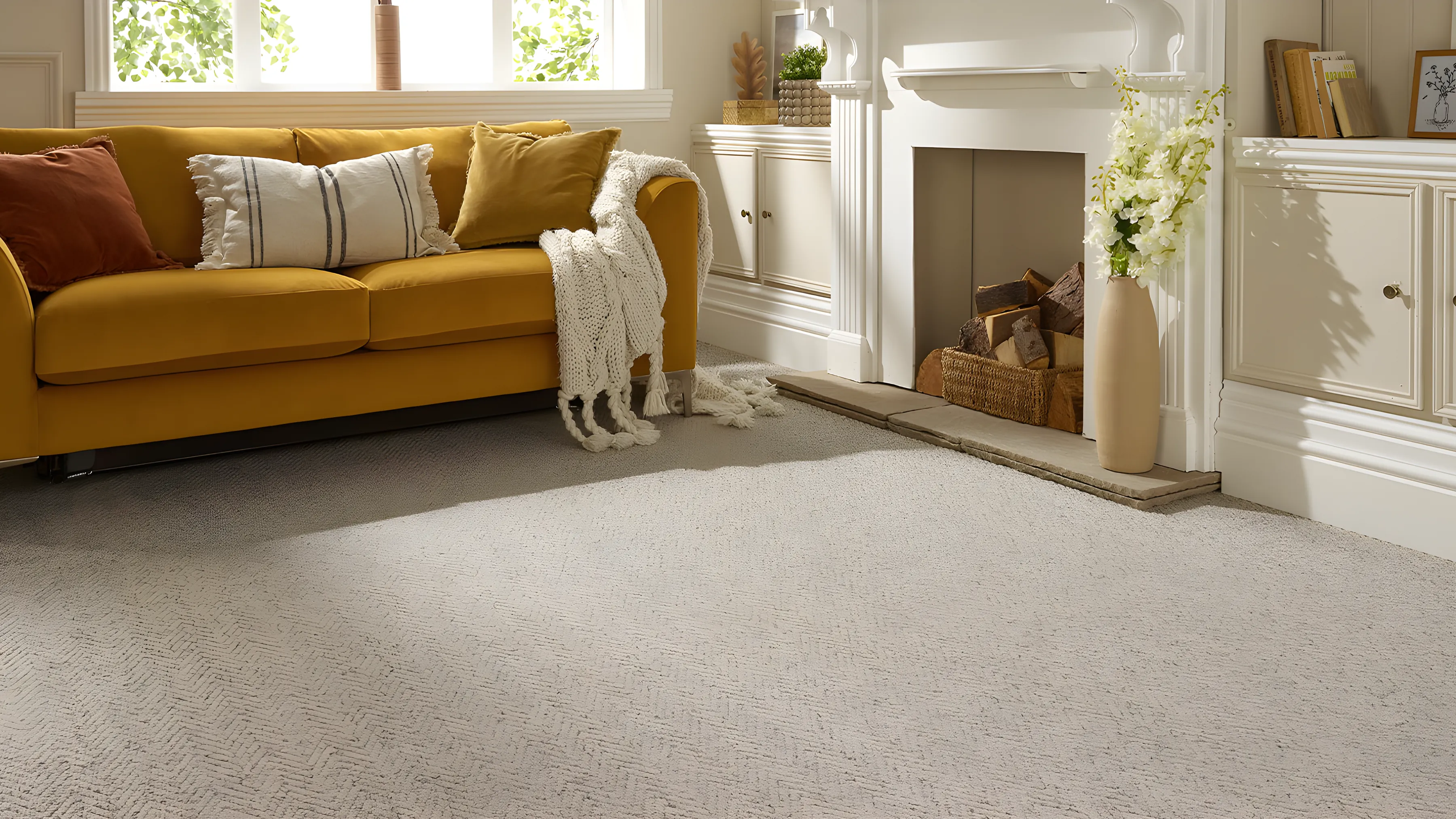
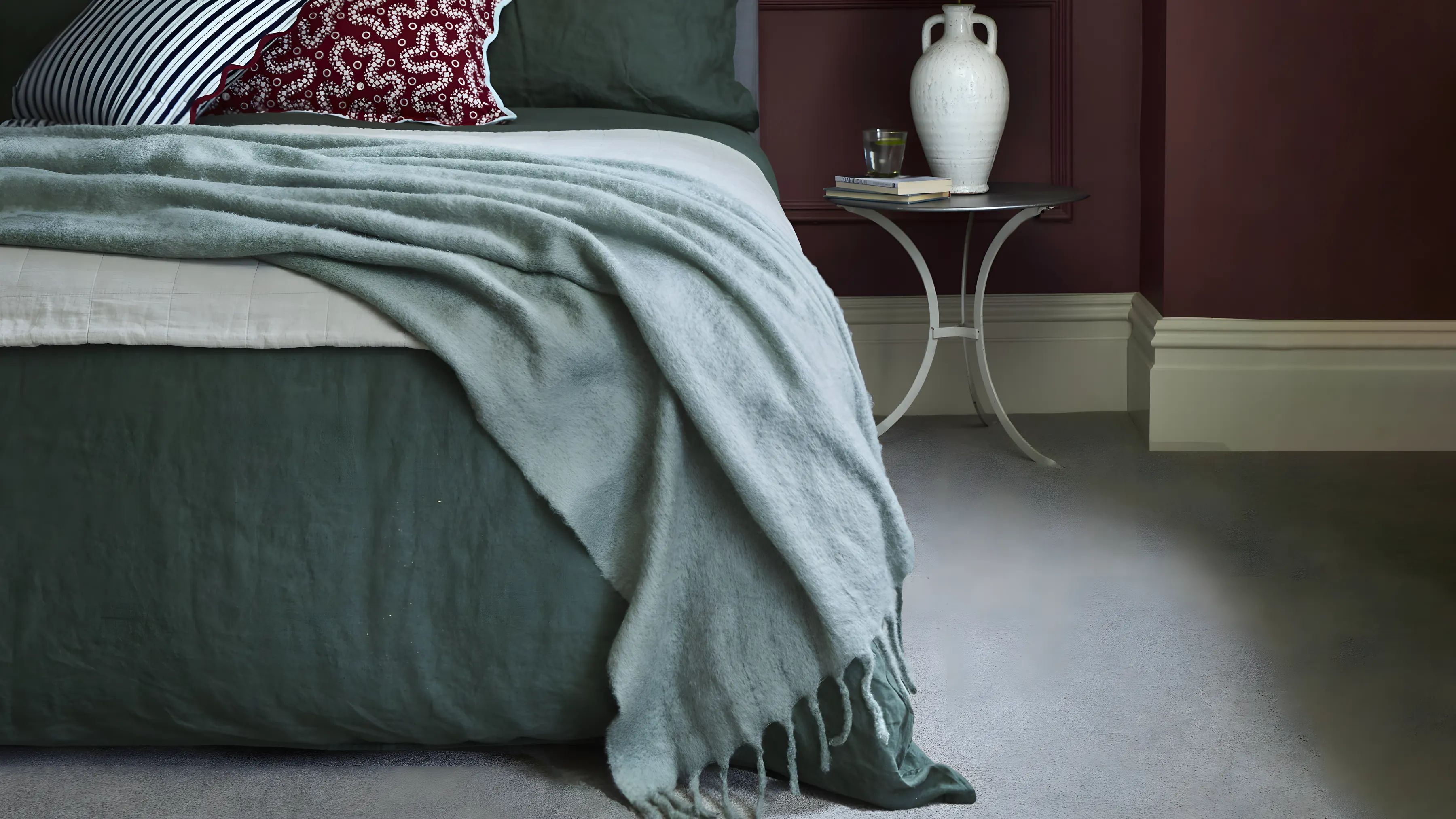
Carpet is softer, warmer and quieter than anything else you can put on a floor, and a thick underlay makes the difference between a nice carpet and a wonderful one. This is why bedrooms and living rooms so often stay carpeted even in a house that has gone hard floored downstairs.
LVT is warm for a hard floor and quiet for a hard floor, especially glued down over a levelled base. It is not carpet. If you like sitting on the floor with the children, or stepping out of bed onto something soft, that matters.
Cleaning and Allergies
LVT is swept and damp mopped, and there is nothing for dust or pet hair to hide in. Carpet needs vacuuming and an occasional professional clean, and it holds dust, which is a problem for some allergy sufferers and, for others, a benefit because the dust is held rather than floating.
Cost
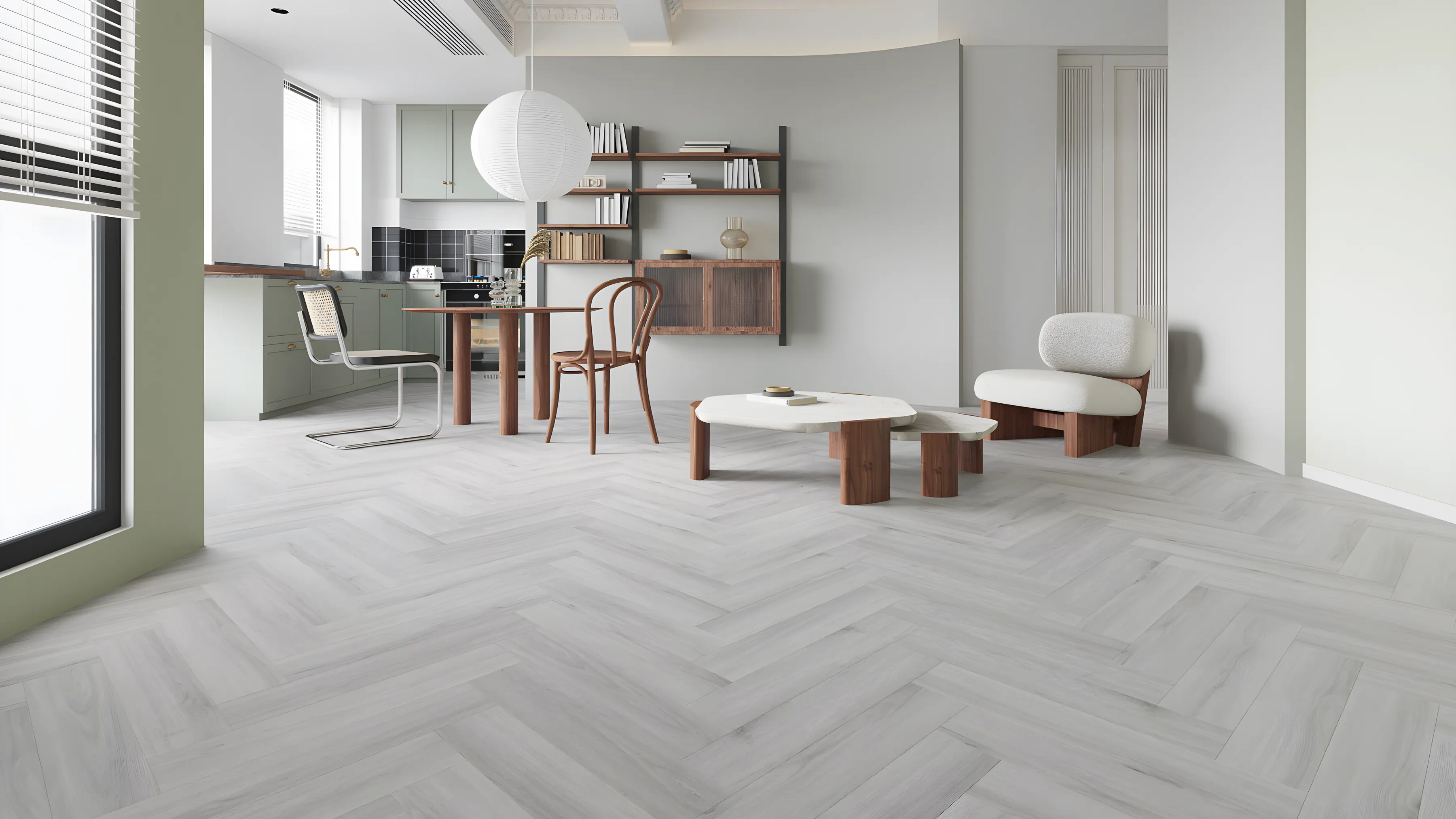
We do not publish prices, because every job is different, but the shape of it is this. A good carpet with underlay and fitting usually costs less per square metre than a good LVT with the preparation it needs, because LVT needs a flat, smooth base: ply over boards, a levelling compound over concrete, and the time to lay it plank by plank. A budget carpet costs less again; a herringbone LVT costs more.
Over the years the gap narrows. An LVT floor in a kitchen or hall will typically outlast two carpets in the same rooms. Both are good value; they are just different shapes of value.
Our Usual Answer
Hard floor downstairs where water and traffic are, carpet upstairs where comfort is, and the stairs carpeted whatever else happens. It is what most of our customers choose once they have thought it through, and it is what we would do in our own homes.
Come and stand on both in the shop at Hampden Park, or ask us to bring samples out when we measure. It is free, and the floor will make more sense once you have felt it.
Questions
Usually, once the floor preparation is included, because LVT needs a flat, smooth base and takes longer to lay. A budget carpet is cheaper still; a premium wool carpet can cost as much as a good LVT. We quote both honestly.
In a kitchen or a hall, LVT, comfortably. In a bedroom, a good wool carpet will last many years too. Wear depends on the room far more than on the product.
It can be done with proper nosings, but on most staircases we recommend carpet: it is safer underfoot, quieter and far easier to fit well around winders.
Generally, yes. There is nothing for dust to lodge in and it is damp mopped. Some allergy sufferers prefer carpet because it holds dust until it is vacuumed rather than letting it float. Ask your doctor, then ask us.