
Pick a room
What we would fit in a hall
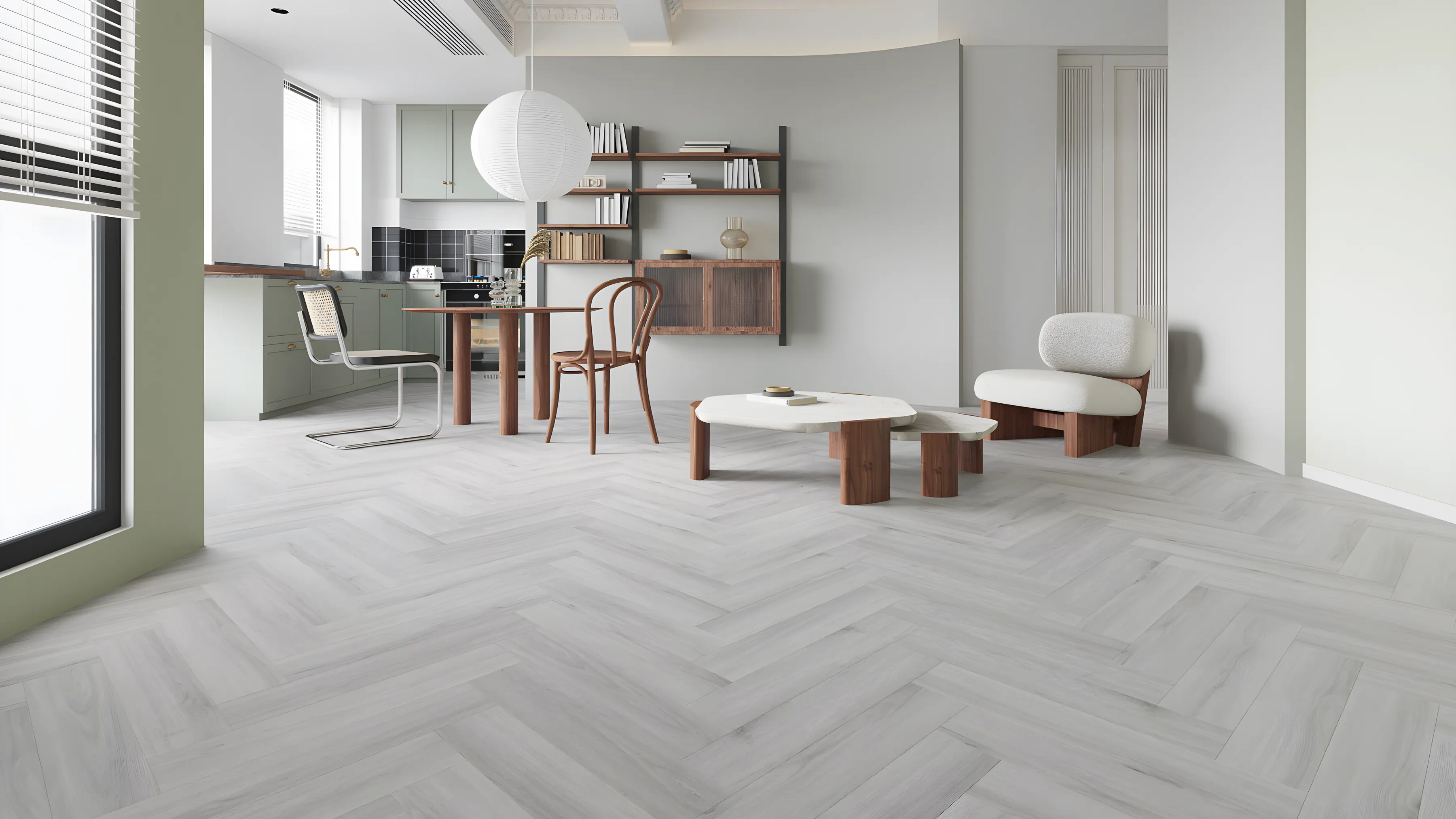
- 01LVTWaterproof, hard wearing and warm, and a herringbone hall is the look of the moment.
- 02Berber or Twist CarpetQuiet and warm, in a flecked colour that hides the traffic. Needs a good mat at the door.
- 03LaminateA hard wearing oak or stone look at a sensible price. Keep a good mat at the door.
Think twice about: Deep soft piles and pale plain carpets, which show every footprint from the street.
Start With How the Room Is Used
Before colour, before budget, before anything, ask what the room does. Is it walked through in shoes or in socks? Does water get on the floor? Do you sit on it, sleep on it, work on it? Does it have underfloor heating? Every good flooring choice comes out of those questions, and every bad one comes from skipping them.
The other early question is what is under the floor now. Floorboards, a concrete slab, chipboard or old tiles each want different preparation, and that is part of the job, not an afterthought. We check it when we measure.
Halls, Stairs and Landings
The hall takes grit from the street, wet shoes, the pram and the dog, and the stairs take the whole household landing on the same few inches of every step. Both want the hardest wearing floor in the house.
Downstairs, luxury vinyl tile is the modern answer: waterproof, warm, quiet and available in the herringbone that suits a period hall. A wool twist or a berber loop carpet is the warmer, quieter alternative, in a flecked or darker colour with a good mat at the door.
On the stairs, a dense twist or loop carpet over a stair grade underlay, fully fitted or as a runner on painted treads. Never a long, soft pile; it flattens on the nosings within a year.
Kitchens and Utility Rooms
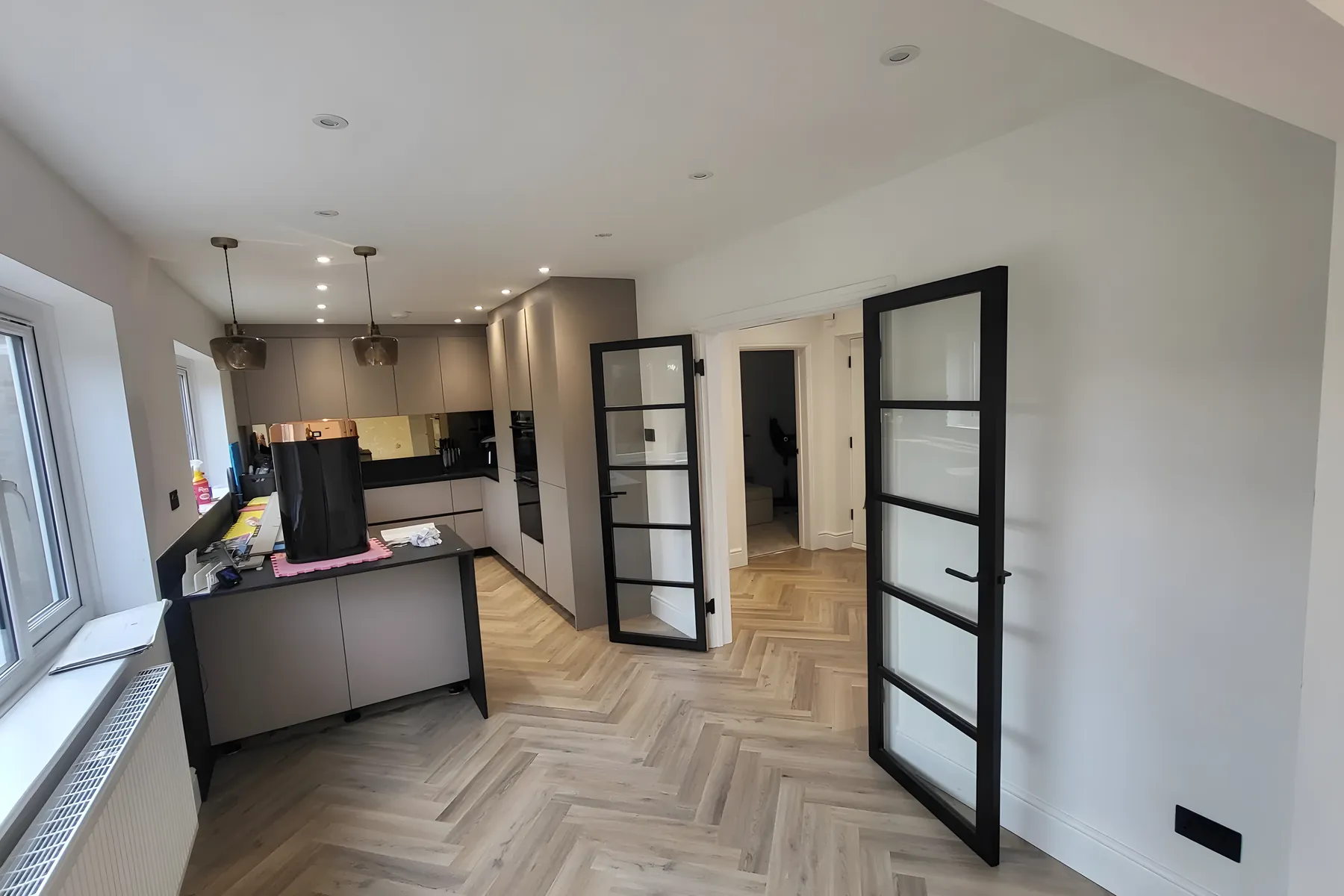
Water, dropped pans, chairs scraping: a kitchen floor needs to be waterproof and hard wearing, and it is nicer if it is warm and quiet too. Glue down LVT ticks every box, which is why it is the kitchen floor we fit most. Sheet vinyl does the same job in one piece for less, and modern designs look far better than their reputation.
Standard laminate is not the floor for a kitchen; if water sits on a joint the board swells, and no amount of wiping brings it back.
Bathrooms
Sheet vinyl or glue down LVT, and nothing else. Both are waterproof, both are warm underfoot compared with tiles, and both can be sealed at the bath, the basin and the shower tray so water stays on top. Safety flooring is the slip resistant version and the right choice for an older person's bathroom or a wet room.
Carpet in a bathroom is a thing of the past for good reason, and any click or floating floor lets water reach the joints.
Living Rooms
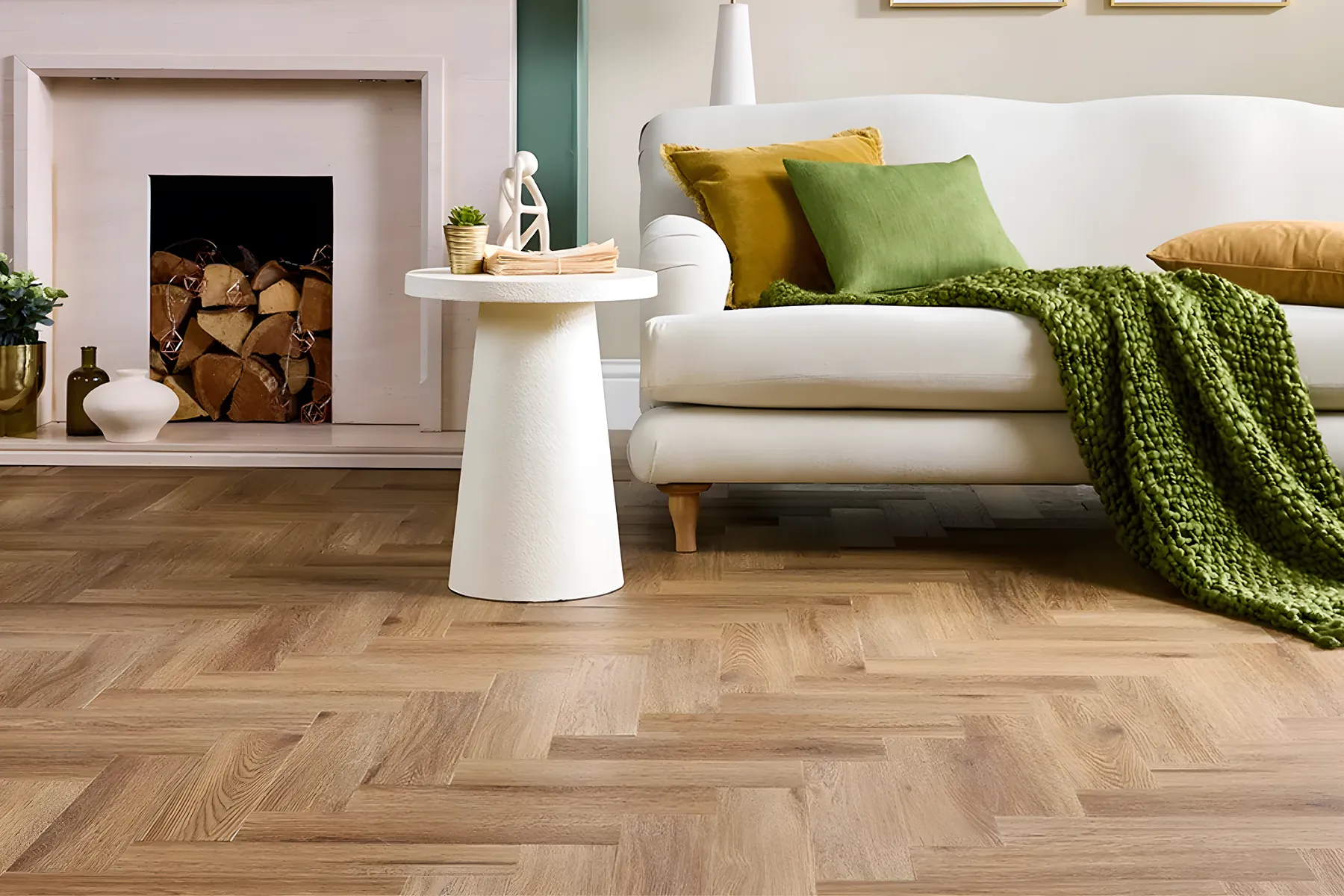
This is the room you sit in, and softness matters. A wool twist carpet is the classic: it springs back from furniture, hides footmarks and keeps its colour for years. A textured loop is softer looking and suits a room that is more sofa than through route.
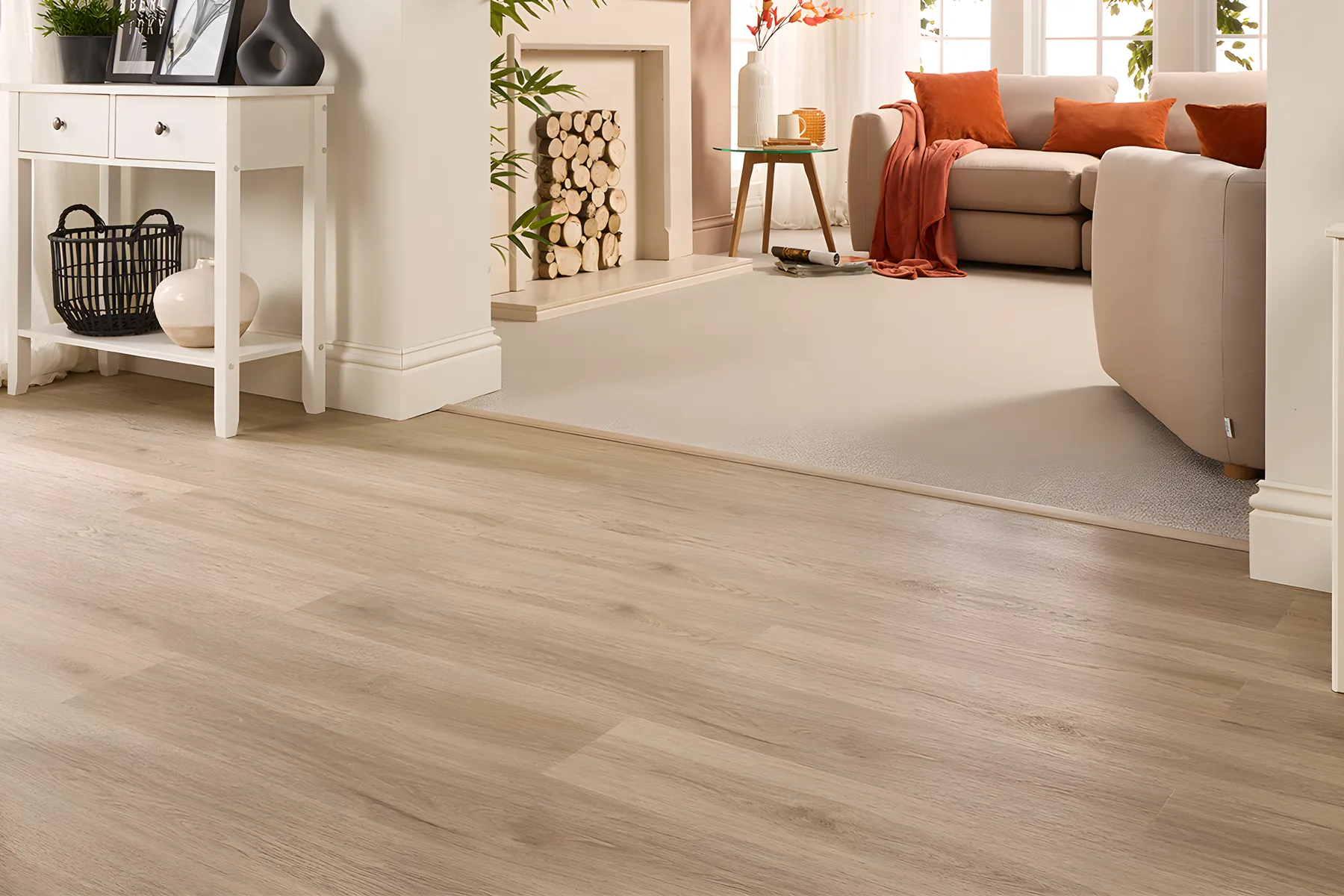
If you would rather have a hard floor, LVT or laminate in an oak look, with a rug, warms the room and suits a household where dogs and children would make a carpet hard work. Choose the wear class for the room and put felt pads under the furniture.
Bedrooms
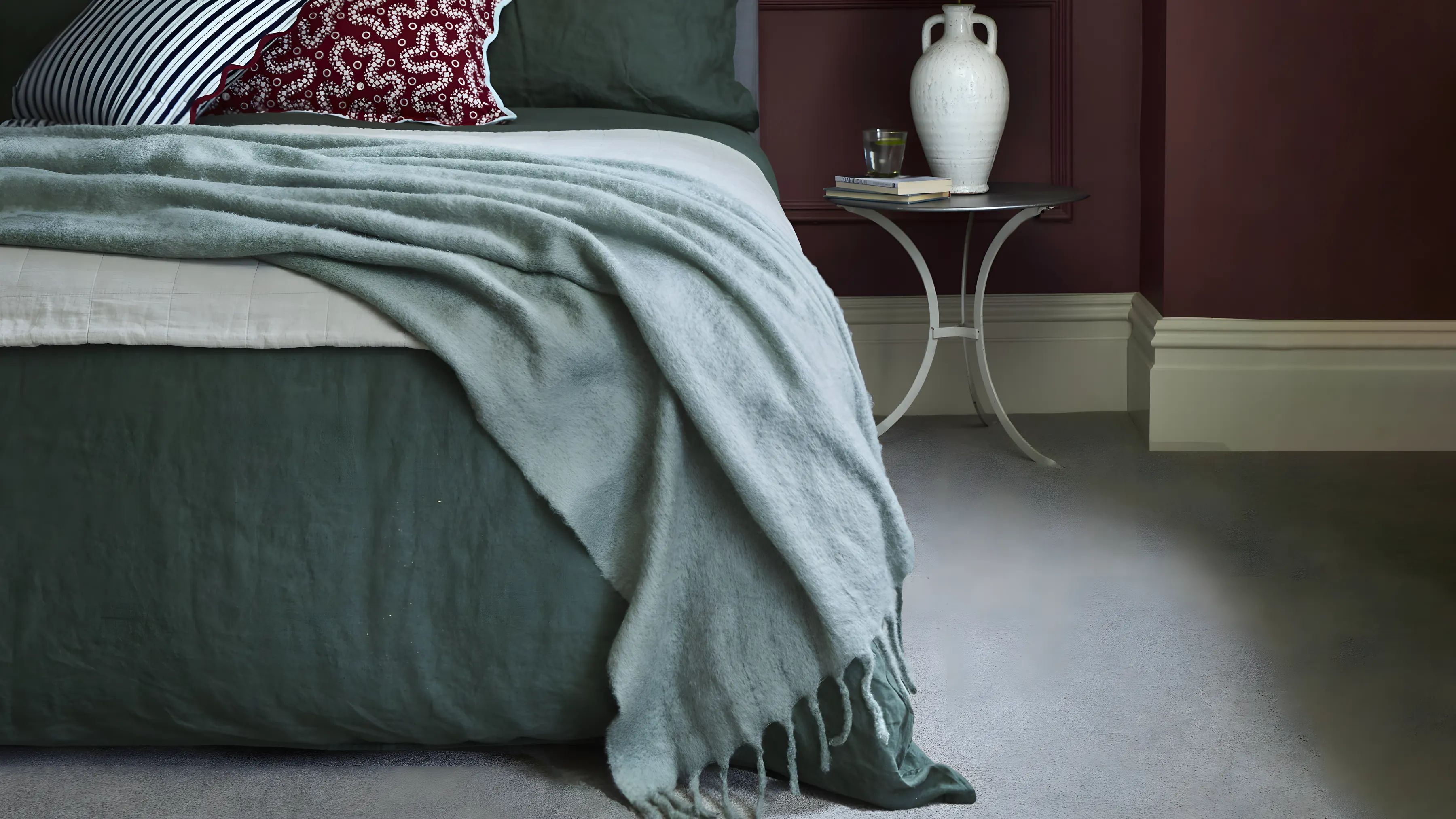
Bedrooms get the least wear of any room, in bare feet or socks, and they are where a deep, soft carpet is a pleasure rather than a liability. A saxony or a soft twist, over a thick underlay, is our usual recommendation.
Laminate or a click LVT makes sense for allergies or a guest room, but most people are happier stepping out of bed onto something soft.
Home Offices
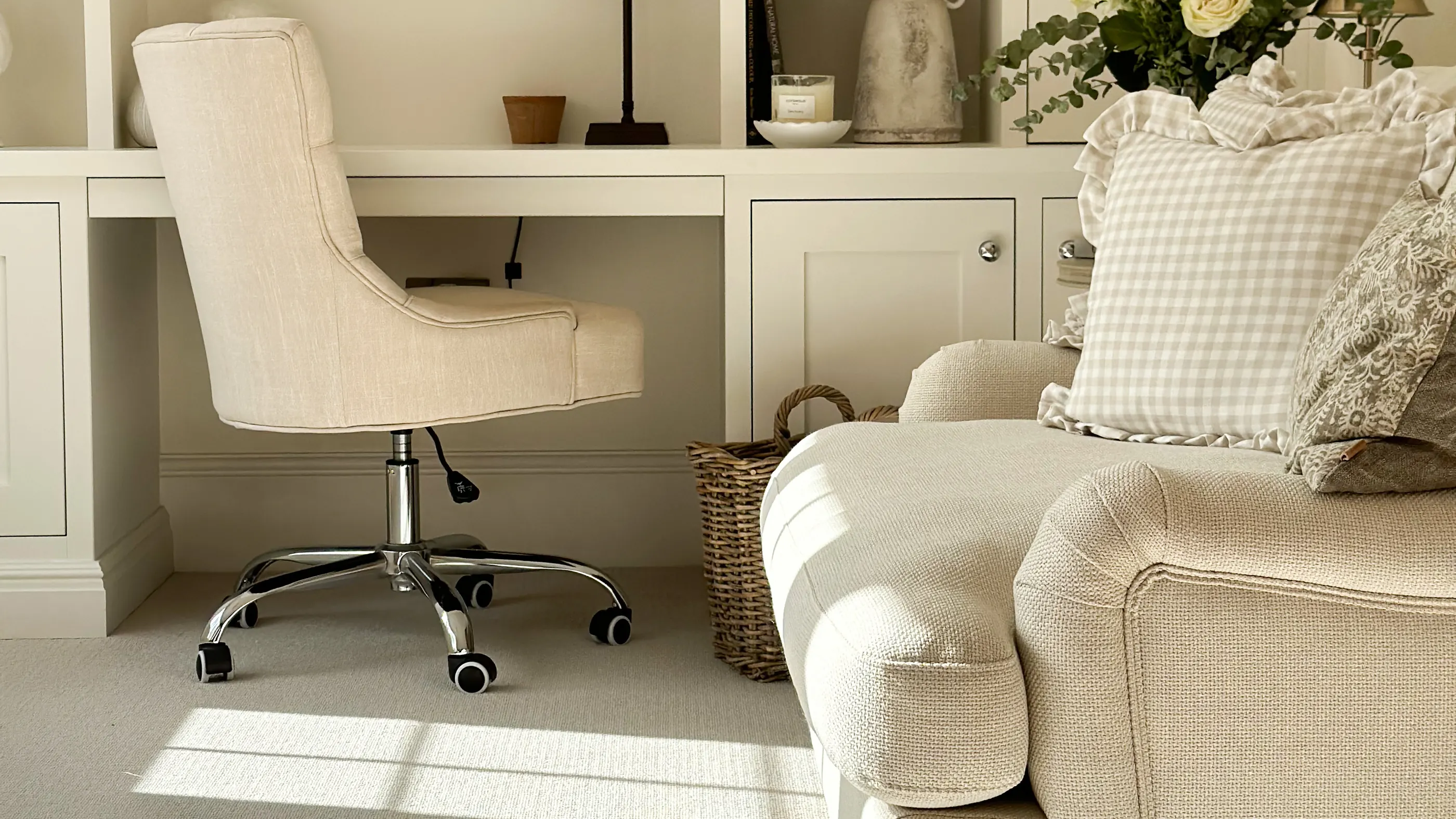
The office chair is the problem. Castors are surprisingly hard on a floor, and they mark a soft carpet and scratch a soft wood. An AC4 laminate with a chair mat is the practical choice; a firm loop pile carpet is quieter on calls and copes with the chair; LVT sits between the two and runs in nicely from the hall.
Conservatories and Extensions
A conservatory gets hot in the afternoon and cold at night, so the floor needs to be rated for it. Glue down LVT is, and it runs straight in from the living room. A floating floor of any kind moves too much with the heat.
An extension with underfloor heating wants glue down LVT, within the range's temperature limits, and the same floor run through from the original room so you cannot see where the house ends and the extension begins.
Then Let Us Measure
Everything above is a starting point. The measure is where it becomes a plan: what is under the floor, where the doors are, how the rooms join, which way the planks or the pile should run. It is free, it is at your home, and we bring samples so you can see the colours in your own light. Call the shop on 01323 505166 or send an enquiry.
Questions
There is not one. Most houses end up with a hard floor downstairs, usually LVT or sheet vinyl in the wet rooms and LVT or laminate through the rest, and carpet on the stairs and in the bedrooms. Mixing is normal and sensible.
Yes, and it is popular. Glue down LVT will run from the front door through the hall, kitchen and living room with no thresholds, once the floor has been levelled so the rooms meet flat.
Carpet, then cushioned sheet vinyl and LVT. Laminate is cooler, and tiles are the coldest. Underfloor heating changes the picture: glued LVT passes the heat through best.
Carpet over a good underlay. Cushioned vinyl and LVT next. Laminate is the loudest unless it is fitted on an acoustic underlay, which we recommend for upstairs rooms in flats.